

Roasted Tomato and Feta Homemade Busiate Pasta: Hand-Rolled Sicilian Perfection
Who says you need a pasta machine to make beautiful homemade pasta? This Roasted Tomato and Feta Homemade Busiate Pasta proves that a little semolina flour, water and a simple chopstick are all you need to create something special. Inspired by traditional Sicilian pasta-making, these long, delicate spirals have a wonderfully satisfying texture and are perfect for catching a rich, creamy sauce. Sweet roasted cherry tomatoes, garlic and salty feta come together to create a beautifully balanced dish that’s surprisingly easy to prepare. If you love pasta with roasted vegetables, you might also enjoy my Roasted Tomato and Ricotta Pasta or Roasted Tomato and Cottage Cheese Fusilli.
Scroll down or tap ‘Jump to Recipe’ for the full printable recipe card with exact measurements and instructions.
Simple Ingredients, Big Flavours
Sometimes the most memorable meals begin with just a handful of everyday ingredients. This homemade busiate pasta recipe is a lovely example, combining a traditional eggless semolina dough with a sauce that gets its flavour from roasting rather than complicated preparation. Much like my Roasted Pepper and Ricotta Pasta and Butternut Squash Ricotta Pasta the secret is allowing simple ingredients to develop their natural sweetness before blending them into a creamy sauce.
Semolina flour
Finely milled durum wheat semolina, known as semola rimacinata, is ideal for traditional busiate. Its high gluten-forming protein content gives the pasta a firm texture and helps the handmade spirals hold their shape.
Water
Combined with semolina, it creates a traditional eggless pasta dough. No eggs or additional ingredients are needed.
Cherry tomatoes
Naturally sweet and juicy, they become wonderfully concentrated in flavour when roasted, adding richness and a little acidity to the sauce.
Feta cheese
Brings a creamy consistency and pleasantly salty flavour that balances the sweetness of the tomatoes. Reserve a little for garnishing.
Garlic
Roasting mellows its sharpness, creating a softer, sweeter flavour that blends beautifully with the tomatoes and feta.
Olive oil
Helps the tomatoes roast evenly and encourages those delicious lightly caramelised edges.
Fresh parsley
Adds freshness and a lovely herbal finish that brightens the creamy sauce.
Salt and black pepper
Enhance the overall flavour. Go easy on the salt, as feta is already naturally salty.
Reserved pasta water
The starchy cooking water helps bring the sauce together, creating a smooth consistency that coats the pasta without becoming too heavy.
How to Make Roasted Tomato and Feta Homemade Busiate Pasta
Preparing the Traditional Semolina Dough
Start by placing the semolina flour onto a clean, flat work surface and making a well in the centre. Gradually pour the water into the well and, using a fork, begin incorporating the flour into the water, starting from the inner edges and gradually working outwards. Continue mixing until the flour and water begin to come together into a rough dough, then use your hands to bring everything into a ball.
Knead the dough for approximately 4–5 minutes, pushing it forward with the heel of your hand, folding it back over itself and rotating it as you work. Continue until the dough becomes smooth, firm and elastic. Semolina dough is naturally firmer than regular pasta dough, so don’t worry if it initially feels slightly dry or crumbly. As you continue kneading, the flour will absorb the moisture and the dough should become easier to work with. Shape the dough into a ball, wrap it tightly in cling film or cover with an inverted bowl, and leave to rest at room temperature for 30 minutes. This resting period is important because it allows the semolina to fully hydrate and the gluten to relax, making the dough easier to roll into thin ropes without breaking or shrinking back.
Roasting the Cherry Tomatoes and Feta
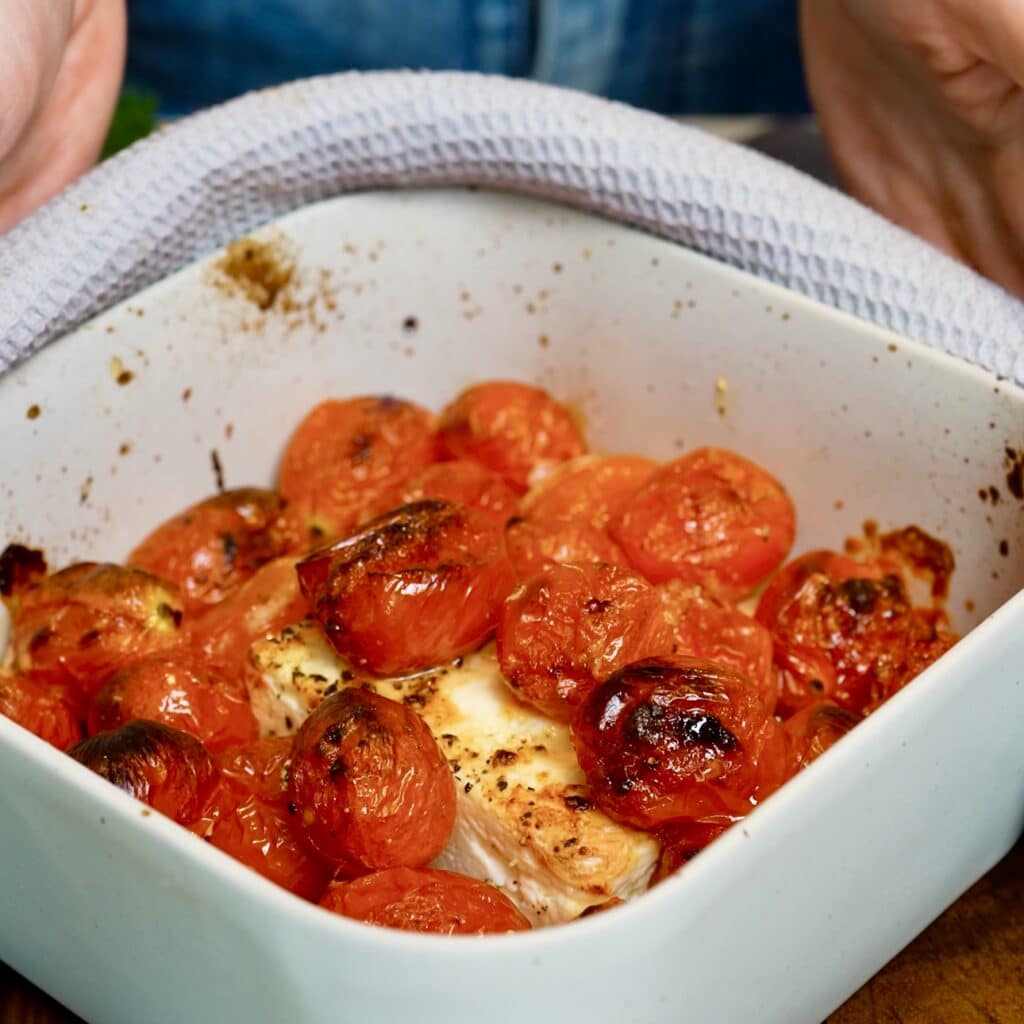
While the pasta dough is resting, prepare the sauce. Arrange the cherry tomatoes, peeled garlic cloves and feta cheese in a small ovenproof or air fryer-safe baking dish, reserving a small piece of feta for garnish. Tuck the garlic cloves and feta underneath the tomatoes to protect them from direct heat and prevent them from burning during roasting. Season with freshly ground black pepper and drizzle everything with olive oil. I didn’t add any salt, as the feta was already salty enough for my taste. Place the dish in the air fryer and cook at 200°C/400°F for approximately 20 minutes, or until the cherry tomatoes have softened, burst and developed lightly charred edges. Alternatively, roast in a preheated oven at 200°C/400°F, fan, for approximately 25–30 minutes. The tomatoes should be juicy and slightly caramelised, while the feta becomes soft and creamy.
Blending the Creamy Roasted Tomato and Feta Sauce
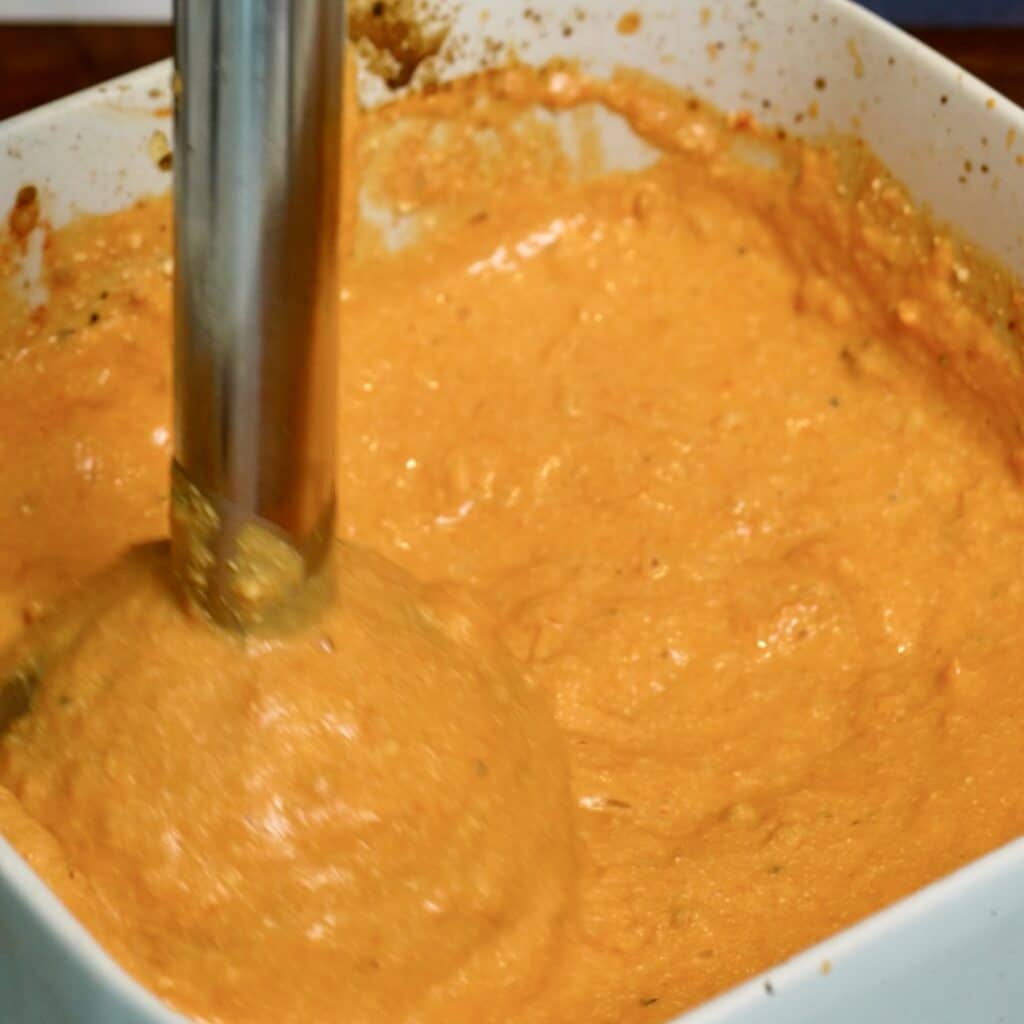
Once the tomatoes and feta are ready, carefully remove the baking dish from the air fryer or oven and allow everything to cool slightly. Set aside three whole roasted cherry tomatoes for garnish, then use an immersion blender to blend the remaining tomatoes, feta, softened garlic and all the roasting juices until completely smooth and creamy. Make sure to include the juices collected at the bottom of the dish, as they contain plenty of flavour from the roasted ingredients. The sauce should have a smooth consistency with a lovely balance of sweetness from the tomatoes and saltiness from the feta. Set it aside while you finish preparing the homemade pasta.
Dividing and Rolling the Pasta Dough
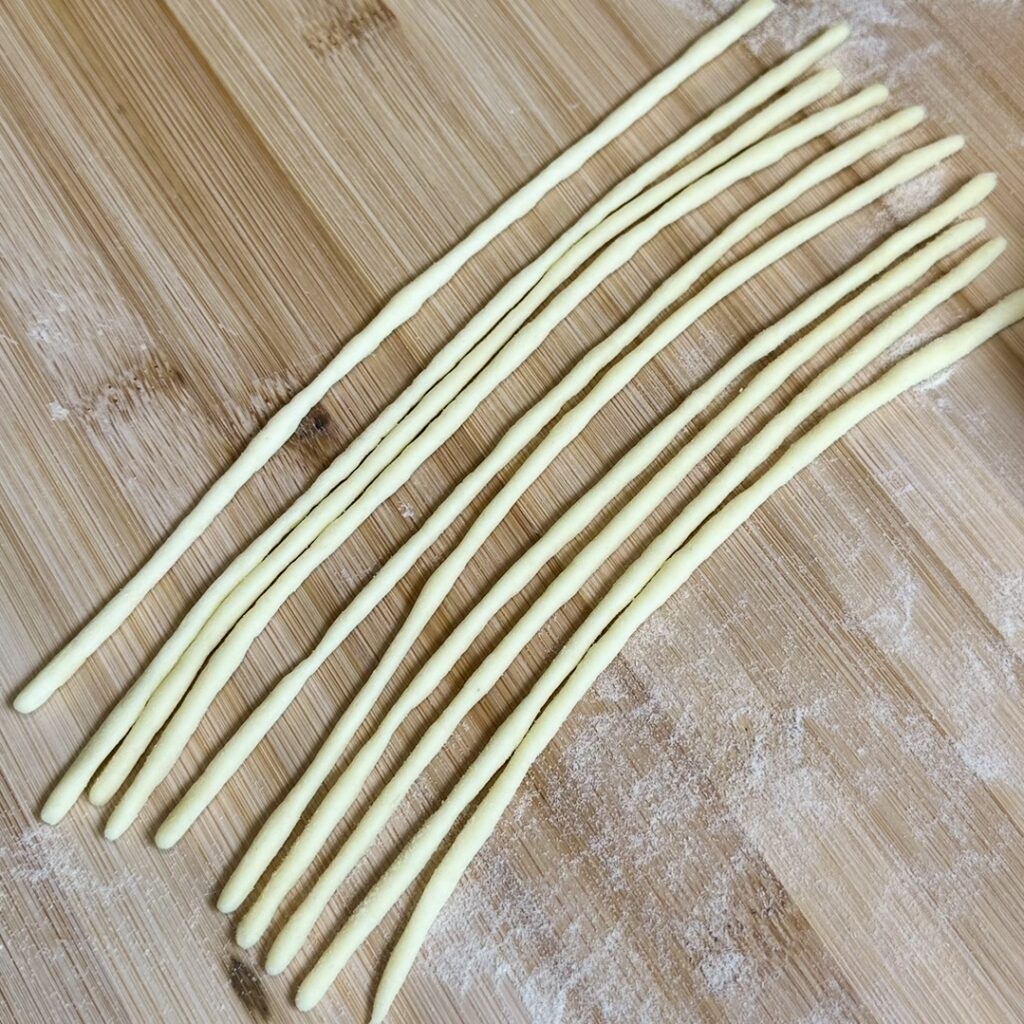
Once the dough has rested, transfer it to a clean work surface and divide it into four equal portions. Work with one portion at a time, keeping the remaining dough covered to prevent it from drying out. Take the first portion and roll it into an oblong shape. Cut it into 10 equal pieces, then use your hands to roll each piece into a long, thin rope, approximately 22–24 cm (8¾–9½ inches) in length.Try to keep the thickness as even as possible along the entire rope. This helps the pasta cook evenly and creates more uniform spirals. If the dough begins to stick to your hands or work surface, use a light dusting of semolina flour.
Shaping the Traditional Busiate Spirals
To create the distinctive busiate shape, you’ll need a thin chopstick or wooden rod. Lightly dust it with semolina flour to prevent the dough from sticking. Place one end of a dough rope near the top of the chopstick, positioning it at approximately a 45-degree angle. Slowly rotate the chopstick, allowing the dough to wrap around it in a long, even spiral. Maintain the angle as you work to create evenly spaced twists along the length of the chopstick.
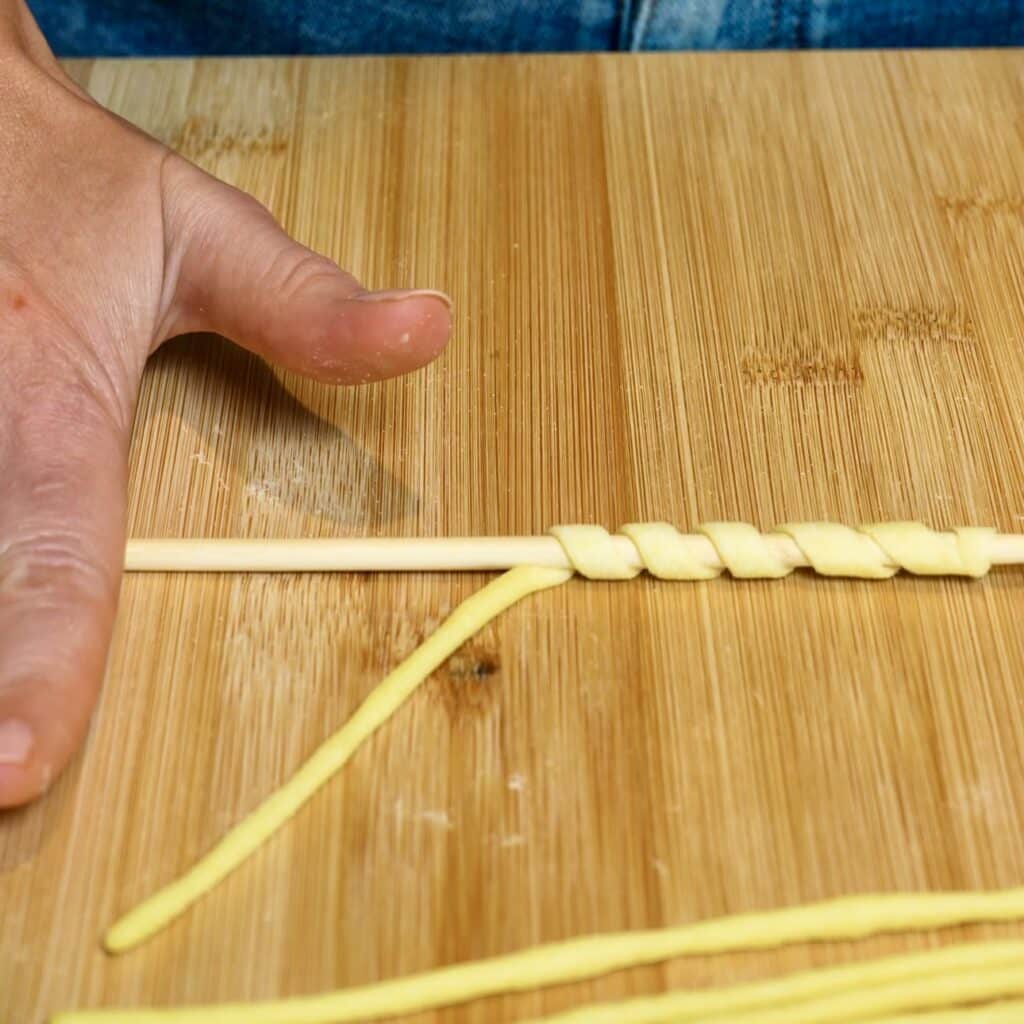
Once the entire rope has been wrapped around the chopstick, gently twist the spiral with your fingers to help define its shape. Carefully slide the pasta off the chopstick, taking care not to stretch, flatten or distort the twists.
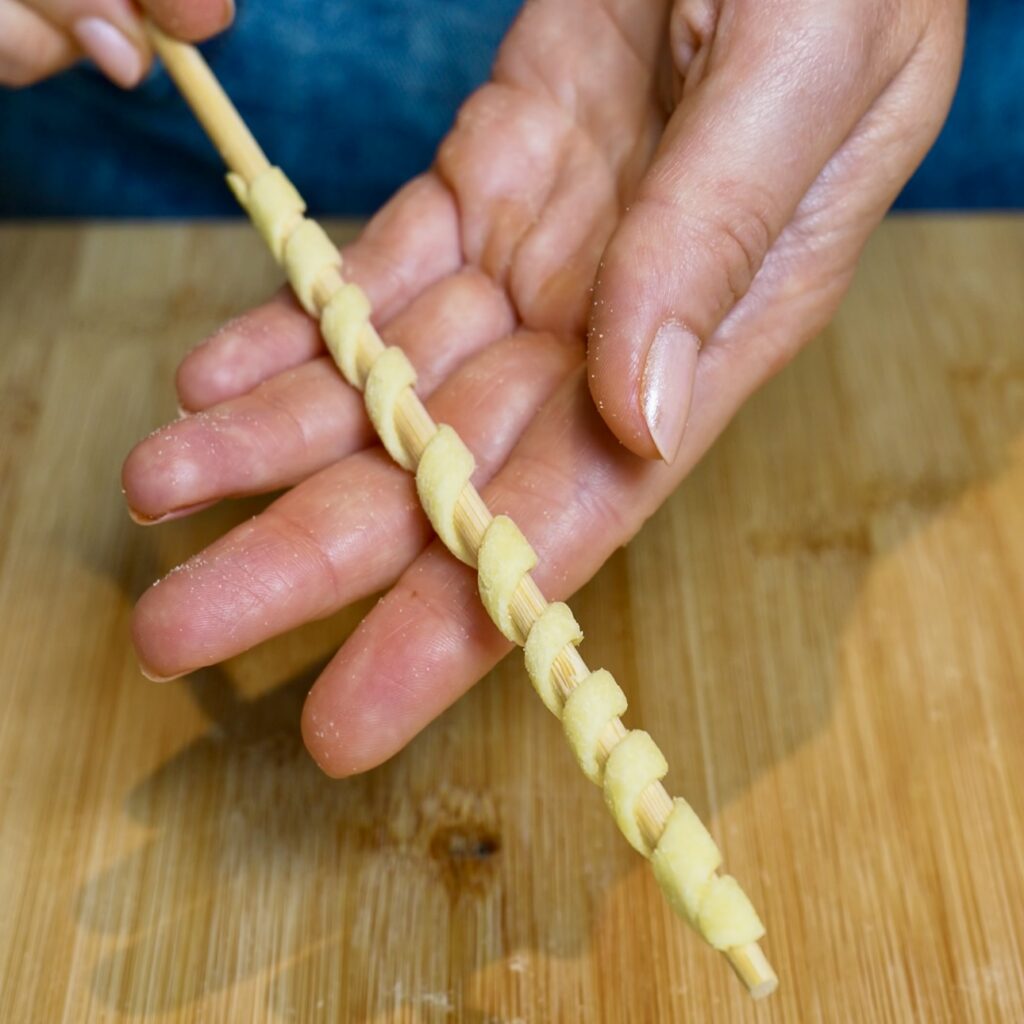
Place the finished busiate on a generously semolina-dusted work surface or tray. Repeat the process with the remaining nine pieces of dough, then continue with the other three portions until all the pasta has been shaped. Arrange the finished spirals in a single layer, leaving a little space between them, and dust generously with semolina to prevent sticking. Keep any unused dough covered throughout the process so it remains soft and pliable. Don’t worry if the spirals vary slightly in length or shape. Handmade busiate naturally has a rustic appearance, and those little imperfections are part of its charm.
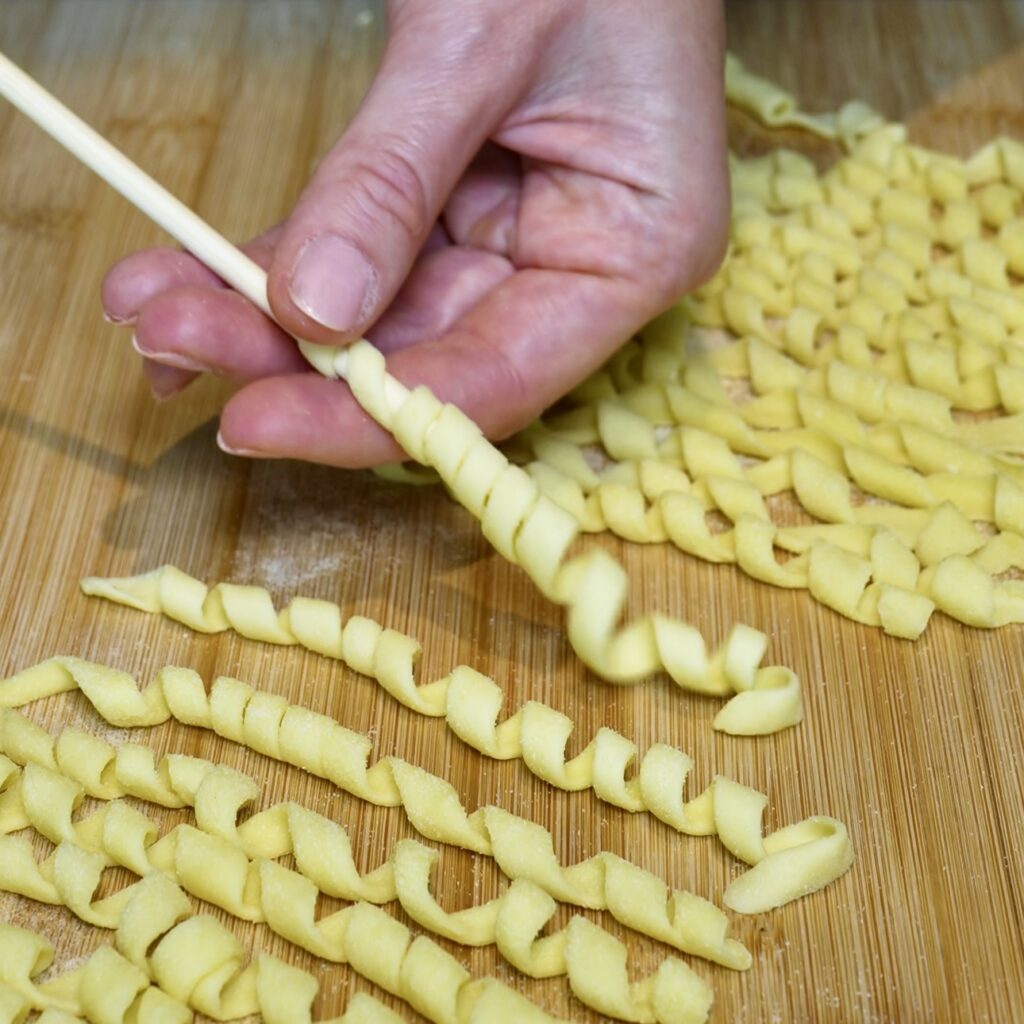
Cooking the Fresh Homemade Busiate
Bring a large pot of generously salted water to a rolling boil. Carefully add the freshly shaped busiate, giving the water a gentle stir to prevent the spirals from sticking together. Cook for approximately 1–2 minutes, or until the pasta is tender but still slightly firm to the bite. Fresh pasta cooks much faster than dried pasta, although the exact timing will depend on the thickness of your spirals. Taste a piece before draining to make sure it’s cooked through without becoming too soft. Before draining, reserve approximately 120 ml (½ cup) of the starchy pasta cooking water. This will help create a silky consistency when finishing the sauce.
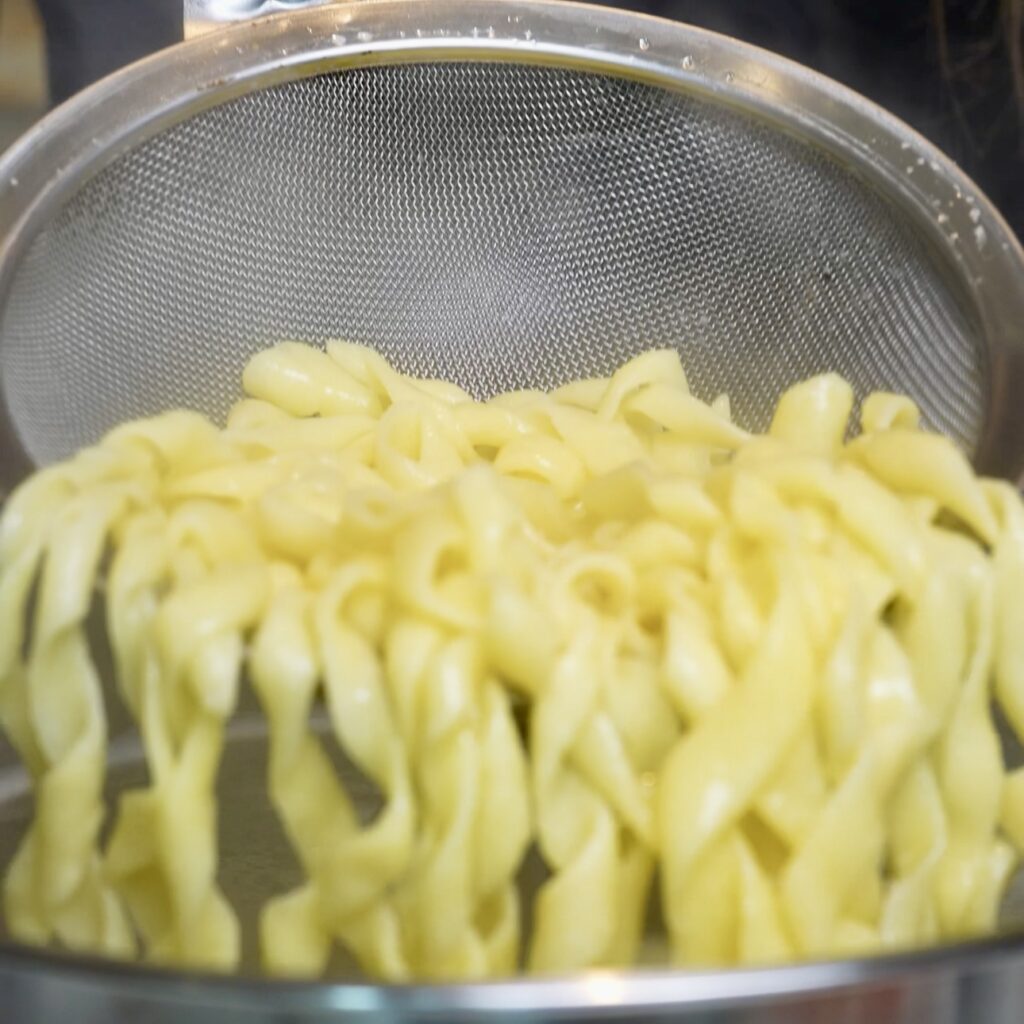
Finishing the Creamy Roasted Tomato and Feta Sauce
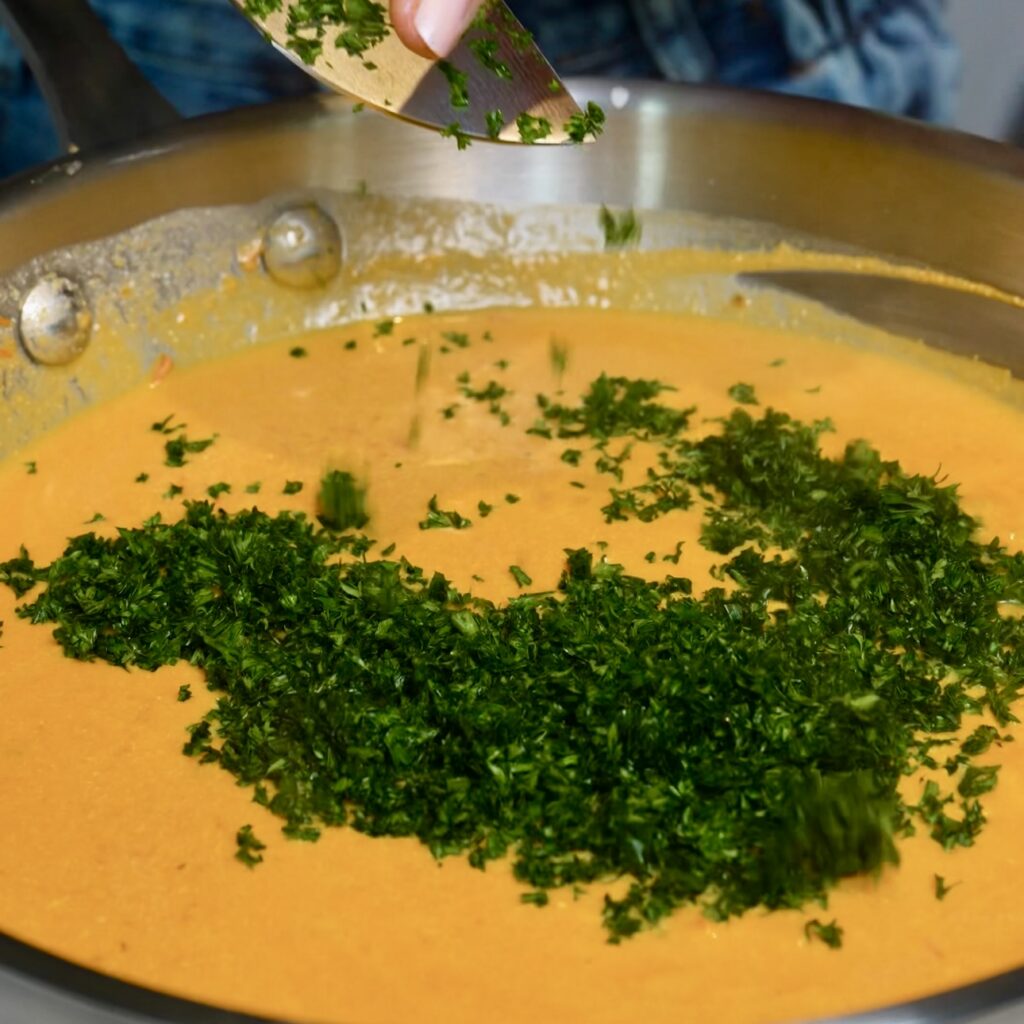
While the pasta is cooking, transfer the prepared roasted tomato and feta sauce to a large frying pan over medium heat. Pour in the reserved pasta water and stir until well combined. Allow the sauce to come to a gentle simmer and cook for approximately 2–3 minutes, stirring occasionally, until heated through and slightly thickened. The pasta water helps loosen the sauce while its starch allows everything to come together into a smooth, creamy mixture. If the sauce seems too thick, you can add a little more pasta water until it reaches your preferred consistency. Add the finely chopped fresh parsley, reserving a small amount for garnish, and stir until evenly distributed throughout the sauce.
Combining the Pasta and Serving
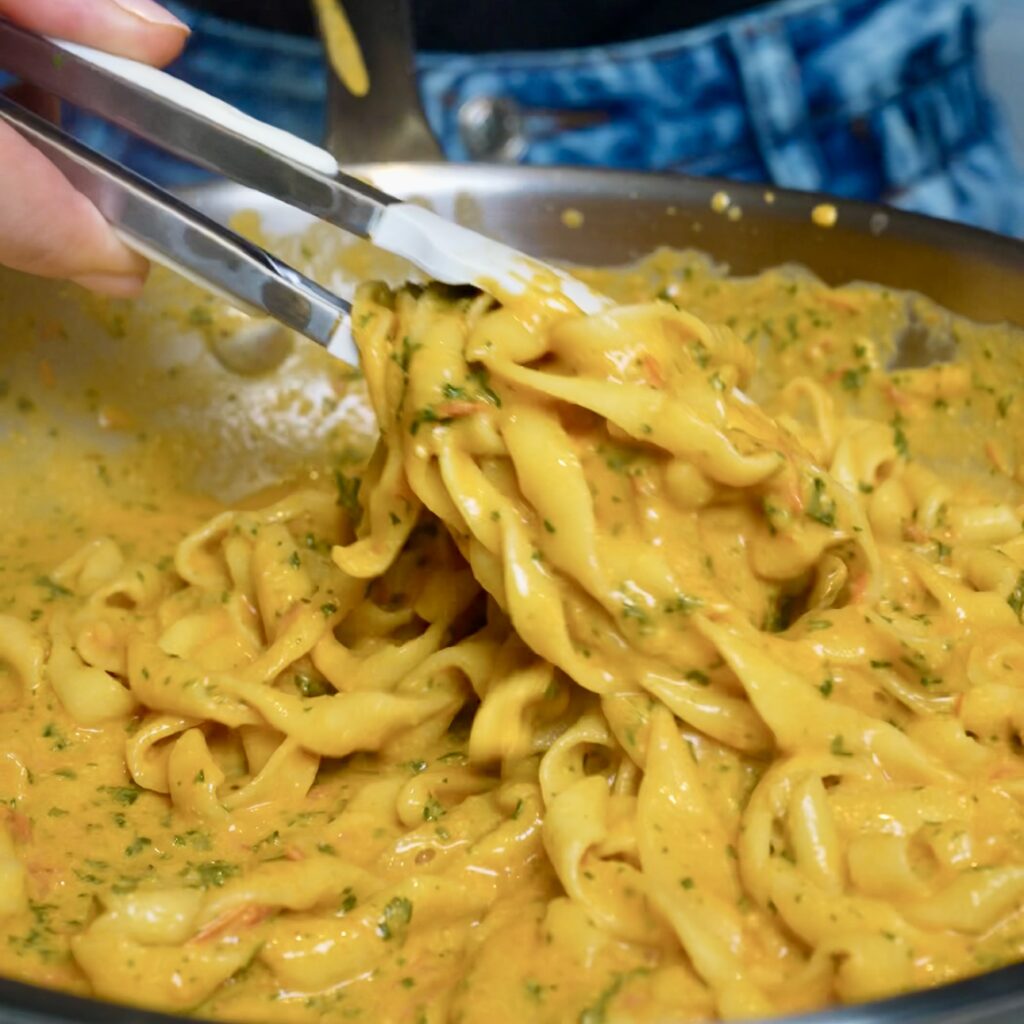
Transfer the cooked busiate directly into the frying pan with the creamy roasted tomato and feta sauce. Gently toss everything together until each spiral is evenly coated, allowing the sauce to settle into the twists and curves of the handmade pasta.
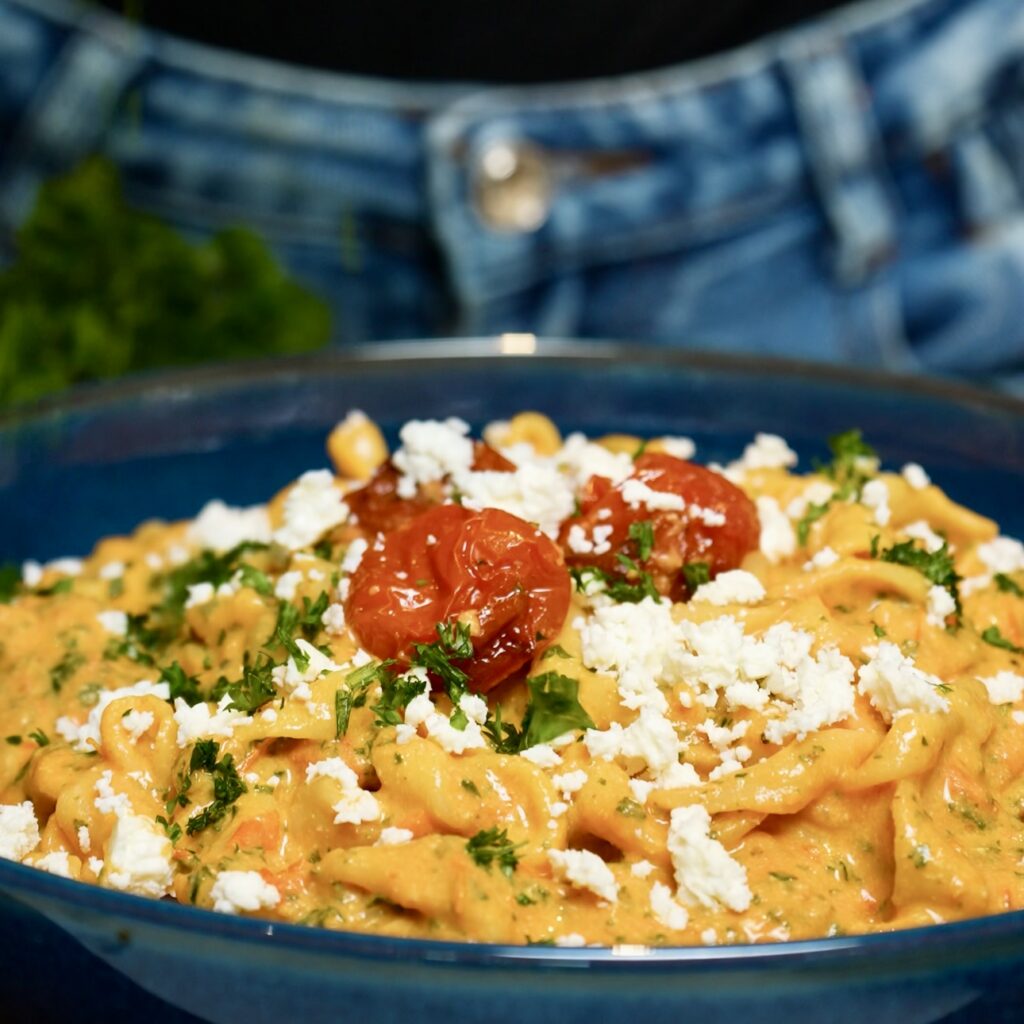
Serve immediately while the pasta is warm and the sauce is beautifully creamy. Finish with the reserved roasted cherry tomatoes, crumbled feta and a sprinkle of fresh parsley for extra colour, freshness and flavour. For the best texture, enjoy this dish straight away, as freshly cooked pasta is at its most delicious when served immediately.
Why We Love This Homemade Busiate Pasta
There’s something incredibly satisfying about making fresh pasta entirely from scratch, especially when all you need is a handful of simple ingredients and a chopstick to create beautiful, delicate spirals. Inspired by traditional Sicilian cuisine, this homemade busiate pasta is surprisingly easy to prepare, with a wonderfully firm yet tender texture that holds onto every bit of the creamy roasted tomato and feta sauce. Roasting the cherry tomatoes brings out their natural sweetness, while the feta adds richness and a lovely tangy contrast. The garlic becomes mellow and aromatic, and fresh parsley adds a burst of freshness that balances the flavours beautifully. What makes this recipe particularly special is how a few everyday ingredients can become such an impressive and comforting meal without complicated equipment or techniques.
Whether you’re making fresh pasta for the first time or simply looking to try a different shape, this recipe makes the experience both enjoyable and rewarding. For more homemade Italian-inspired dishes, try my Creamy Butternut Squash Gnocchi or Homemade Potato Gnocchi with Roasted Garlic Tomato Sauce and Burrata.
Perfect for Any Occasion
This Roasted Tomato and Feta Homemade Busiate Pasta is a wonderful choice for a cosy lunch, a relaxed weekend dinner or those moments when you simply want to treat yourself to something homemade and delicious. Although it looks impressive, the preparation is surprisingly straightforward, making it a lovely recipe for anyone who enjoys spending a little extra time in the kitchen. Shaping the delicate pasta spirals by hand is both relaxing and rewarding, and you don’t need any special equipment to achieve beautiful results. Since this recipe makes a single serving, it’s ideal for cooking for yourself, but you can easily double or triple the ingredients when preparing dinner for family or friends. You can even shape the pasta in advance and freeze it, making homemade pasta more convenient for busy days.
Whether you’re planning a special dinner or simply craving a comforting bowl of pasta, the combination of fresh busiate and creamy roasted tomato and feta sauce never disappoints. For more delicious Italian-inspired meals, try my Beetroot Cottage Cheese Pasta or Courgette and Cottage Cheese Pasta.
Instagram Tutorial & More
Want to see how this homemade busiate pasta comes together? Watch our quick video tutorial on Instagram, where we show you how to shape the pasta and prepare the creamy roasted tomato and feta sauce. And don’t miss our other easy and delicious pasta recipes:
- Creamy Butternut Squash Gnocchi
- Homemade Potato Gnocchi with Roasted Garlic Tomato Sauce and Burrata
- 2-Ingredient Sweet Potato Gnocchi
- Easy Spinach and Ricotta Lasagna
- High-Protein Cottage Cheese Pesto Pasta
- Stuffed Caccavelle Pasta Bake with Ricotta and Beef
- 20-Minute Spinach Ricotta Pasta
Happy cooking,
Izabella
Roasted Tomato and Feta Homemade Busiate Pasta
Description
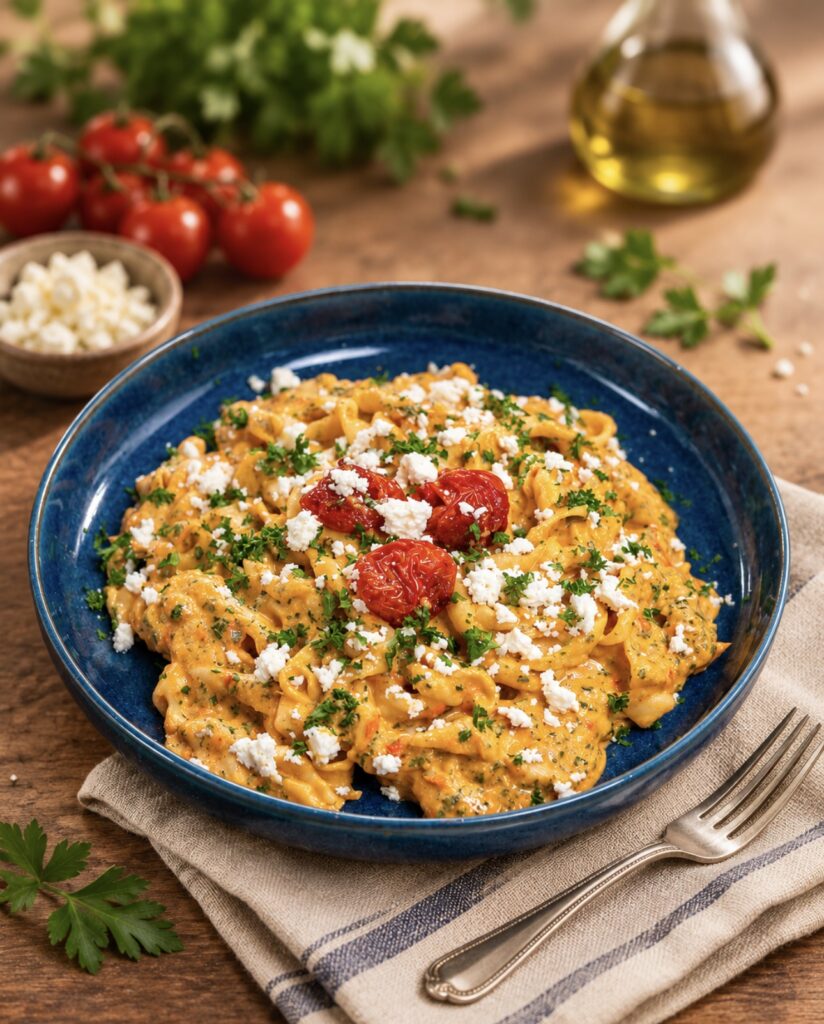
This Roasted Tomato and Feta Homemade Busiate Pasta is a delicious way to enjoy fresh pasta made entirely from scratch. Inspired by traditional Sicilian cuisine, the pasta is shaped into beautiful, long spirals using nothing more than a chopstick. The roasted cherry tomatoes, feta and garlic are blended into a rich, creamy sauce that coats every twist of pasta with incredible flavour. A sprinkle of fresh parsley adds a lovely finishing touch. Made with simple ingredients, this single-serving recipe is perfect for a cosy lunch or dinner when you're craving something homemade and comforting. Scroll down or tap ‘Jump to Recipe’ to get started!
Ingredients
For the homemade busiate pasta:
For the roasted tomato and feta sauce:
Instructions
-
Prepare the pasta dough: Place the semolina flour onto a clean, flat work surface and make a well in the centre. Gradually pour the water into the well and, using a fork, begin incorporating the flour into the water, working from the inside out. Continue mixing until the dough starts to come together, then use your hands to bring it into a rough ball. Knead the dough for about 4–5 minutes, pressing it forward with the heel of your hand, folding it back over itself and rotating it as you work. Continue until the dough becomes smooth, firm and elastic. It should feel slightly firm but not dry or crumbly. Shape into a ball, wrap tightly in cling film or cover with an inverted bowl, and leave to rest at room temperature for 30 minutes. This allows the semolina to fully hydrate and makes the dough easier to roll and shape.
-
Roast the tomatoes and feta: Meanwhile, prepare the sauce. Place the cherry tomatoes, feta and garlic cloves in a small ovenproof or air fryer-safe baking dish, reserving a small piece of feta for garnish. Tuck the garlic and feta underneath the tomatoes to prevent them from burning during roasting. Season with freshly ground black pepper and drizzle with olive oil. I didn't add any salt, as the feta was already salty enough for my taste. Air fry at 200°C/400°F for approximately 20 minutes, or until the tomatoes have softened, burst and developed lightly charred edges. Alternatively, roast in a preheated oven at 200°C/400°F, fan, for approximately 25–30 minutes. Remove from the oven or air fryer and allow to cool slightly. Set aside three roasted cherry tomatoes for garnish, then blend the remaining tomatoes, feta, garlic and roasting juices with an immersion blender until smooth and creamy. Set aside while you prepare the pasta.
-
Shape the homemade busiate pasta: Once the dough has rested, divide it into four equal portions. Work with one portion at a time, keeping the remaining dough covered to prevent it from drying out. Roll the first portion into an oblong shape and cut it into 10 equal pieces. Using your hands, roll each piece into a long, thin rope, approximately 22–24 cm (8¾–9½ inches) in length. Try to keep the thickness as even as possible.
-
Lightly dust a chopstick with semolina flour. Place one end of a dough rope near the top of the chopstick at approximately a 45-degree angle, then gently roll the chopstick so the dough wraps around it, forming a long, even spiral. Keep the angle consistent as you roll to create a uniform shape. Once the entire rope has been wrapped around the chopstick, gently twist it with your fingers to help define the spiral, then carefully slide the pasta off without stretching or flattening it. Transfer the shaped busiate to a generously semolina-dusted surface or tray. Repeat with the remaining pieces, then continue with the other three portions of dough. Dust the pasta well with semolina as you work to prevent the spirals from sticking together.
-
Cook the pasta and finish the sauce: Bring a large pot of generously salted water to a rolling boil. Carefully add the fresh busiate and cook for approximately 1–2 minutes, or until tender but still slightly firm to the bite. Cooking time may vary depending on the thickness of your pasta, so taste a piece to check. Before draining, reserve 120 ml (½ cup) of the starchy pasta cooking water. Meanwhile, transfer the roasted tomato and feta sauce to a large frying pan over medium heat. Pour in the reserved pasta water and stir until combined. Allow the sauce to simmer for 2–3 minutes, stirring occasionally, until heated through and slightly thickened. Add the finely chopped parsley, reserving a little for garnish, and stir to combine. Transfer the cooked busiate directly into the sauce and gently toss until every spiral is evenly coated.
-
Serve immediately, topped with the reserved roasted cherry tomatoes, crumbled feta and a sprinkle of fresh parsley.
Nutrition Facts
Servings: 1 ServingCalories:704.32kcalTotal Fat:27.94gCholesterol:89mgSodium:1194.9mgPotassium:1178.4mgTotal Carbohydrate:84.9gDietary Fiber: 8.61gSugars: 7.14gProtein:29.99gVitamin A: 482.6IUVitamin C: 115.92mgCalcium: 632.1mgIron: 6.27mgVitamin D: 0.4IUVitamin E: 2.63IUVitamin K: 1008.36mcgVitamin B6: 0.84mgVitamin B12: 1.69mcgPhosphorus: 563.37mgMagnesium: 122mgZinc: 4.97mg
Note
- Choosing the right semolina flour: For the best results, use finely milled durum wheat semolina flour, known in Italy as semola rimacinata di grano duro. It has a slightly grainy texture and a pale yellow colour. Unlike regular plain flour, semolina gives homemade pasta its characteristic firm texture and pleasant bite. Avoid using coarse semolina, as it can make the dough more difficult to knead and shape.
- Getting the dough consistency right: Semolina dough is naturally firmer than regular pasta dough and may initially appear a little dry or crumbly. Continue kneading for 4–5 minutes to allow the flour to absorb the water. If the dough remains too dry to come together, add a few drops of water at a time. If it feels sticky, lightly dust your hands and work surface with semolina. The finished dough should be smooth, firm, elastic and easy to handle without sticking.
- Don't skip the resting time: Allow the dough to rest for at least 30 minutes at room temperature, tightly wrapped in cling film or covered with an inverted bowl. This helps the semolina fully absorb the water and allows the gluten to relax, making the dough easier to roll into thin ropes without tearing or shrinking back.
- Shaping the busiate pasta: Traditionally, Sicilian busiate pasta is shaped using a thin wooden rod or reed, but a chopstick works just as well. Lightly dust the chopstick with semolina before wrapping the dough around it. Keep the rope at approximately a 45-degree angle to create even, elongated spirals. Gently twist and slide the pasta off the chopstick without pulling too hard, as this can stretch the dough and distort its shape. Don't worry if every spiral isn't identical; that's part of the charm of handmade pasta.
- Preventing the pasta from sticking: Keep any unused dough covered while shaping the pasta to prevent it from drying out. Transfer the finished spirals to a generously semolina-dusted tray or work surface, arranging them in a single layer with a little space between each piece. Dust lightly with extra semolina as needed to prevent them from sticking together.
- Roasting the tomatoes and feta: Use a small ovenproof or air fryer-safe baking dish that comfortably holds all the ingredients. Tuck the feta and garlic cloves underneath the cherry tomatoes to protect them from direct heat and prevent burning. Roast until the tomatoes are soft, juicy and slightly charred around the edges. Cooking times may vary depending on your air fryer or oven and the size of the tomatoes.
- Adjusting the seasoning: Feta cheese is naturally salty, so taste the sauce before adding any additional salt. I didn't add salt to mine, as the feta provided enough seasoning. Freshly ground black pepper and parsley add extra flavour without overpowering the sweetness of the roasted tomatoes.
- Creating a smooth, creamy sauce: Allow the roasted tomatoes and feta to cool slightly before blending. Make sure to include all the roasting juices, as they're packed with flavour. Blend with an immersion blender until smooth and creamy. For a more rustic texture, you can mash everything together with a fork instead.
- Cooking fresh busiate pasta: Fresh homemade pasta cooks much faster than dried pasta. Start checking after 1–2 minutes, but remember that the exact cooking time depends on the thickness of your spirals. Taste a piece before draining; it should be tender with a slight bite. Avoid overcooking, as the pasta will continue cooking briefly when tossed with the hot sauce.
- Don't forget the pasta water: Reserve approximately 120 ml (½ cup) of the starchy cooking water before draining the pasta. Add it to the roasted tomato and feta sauce to help create a silky consistency that coats the spirals beautifully. You can add the water gradually if you prefer a thicker sauce. Allow the sauce to simmer briefly before adding the pasta.
- Making the pasta ahead: You can shape the busiate in advance and freeze it for later. Arrange the uncooked spirals in a single layer on a semolina-dusted tray and freeze until firm, then transfer to an airtight freezer-safe container or bag. Cook directly from frozen in boiling salted water, allowing a little extra cooking time.
- Storage and reheating: This pasta is best enjoyed immediately while the sauce is creamy and the spirals are tender. Store any leftovers in an airtight container in the fridge for up to 2 days. Reheat gently in a frying pan over low heat with a splash of water to loosen the sauce and restore its creamy consistency.